
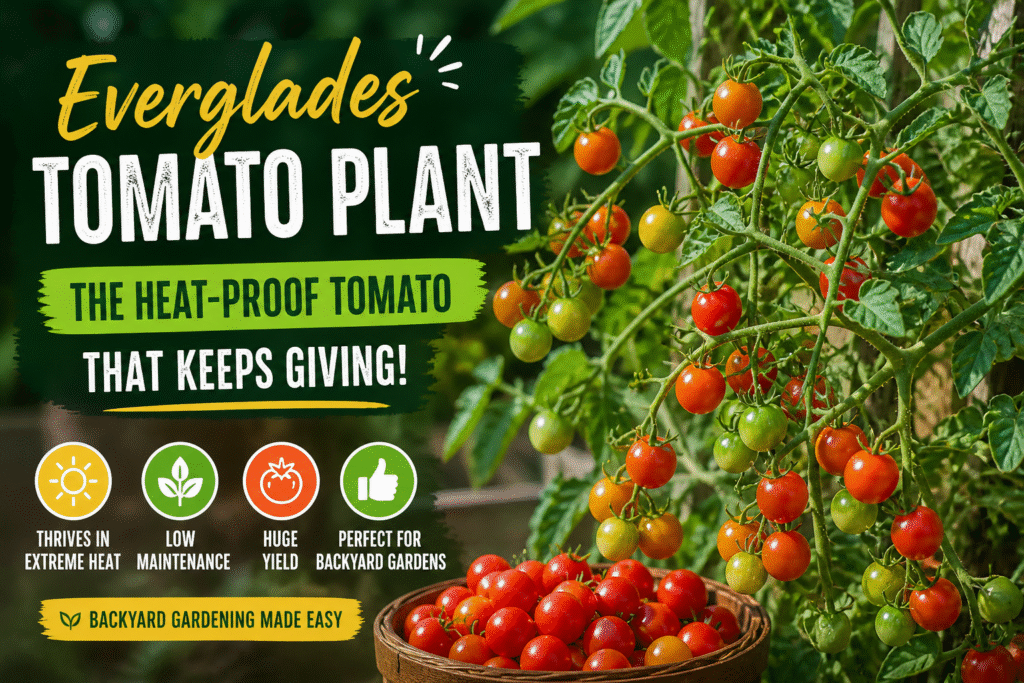
🌈 🍅 Meet the “Never-Quit” Tomato
🌞 Too hot for tomatoes? This one doesn’t care.
While other plants struggle in summer, the Everglades tomato keeps growing, flowering, and producing like nothing happened.
🌿 Why Gardeners Are Obsessed With It
If you’ve ever tried growing tomatoes in a brutally hot summer and watched them struggle, you’re not alone. Most varieties simply give up when temperatures climb. That’s where the Everglades tomato plant completely flips the script.
This isn’t just another cherry tomato. It’s a survivor.
🌱 What Makes Everglades Tomato So Unique?
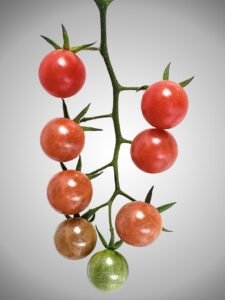
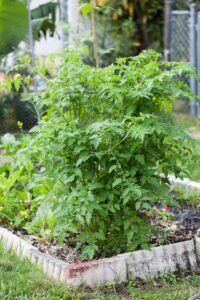
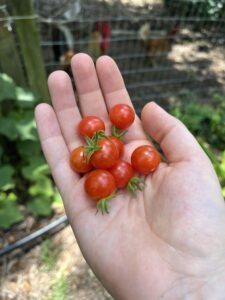
The Everglades tomato (often called wild Florida tomato) thrives where others fail.
It:
- Handles extreme heat (90–100°F) without stress
- Tolerates high humidity better than hybrids
- Self-seeds and comes back year after year
- Produces nonstop fruit once established
Unlike store-bought hybrids, this plant behaves more like a wild vine—fast-growing, slightly chaotic, and incredibly productive.
☀️ Growing Conditions (What It Really Needs)
Here’s the honest truth: this plant is forgiving—but if you give it the right setup, it becomes unstoppable.
🌞 Sunlight
- Full sun (6–8 hours minimum)
- Can tolerate partial shade in extreme heat zones
🌡️ Temperature
- Thrives in 75–100°F
- One of the few tomatoes that doesn’t shut down in heat
🌱 Soil
- Well-draining soil is enough
- Doesn’t demand rich compost like other varieties
👉 If you’ve read our guide on Powdery Mildew in Okra, you already know how humidity affects plants—Everglades tomato is far more resistant in comparison, which makes it perfect for southern climates.
🌿 How to Grow Everglades Tomato (Step-by-Step)
6
Step 1: Start from Seeds
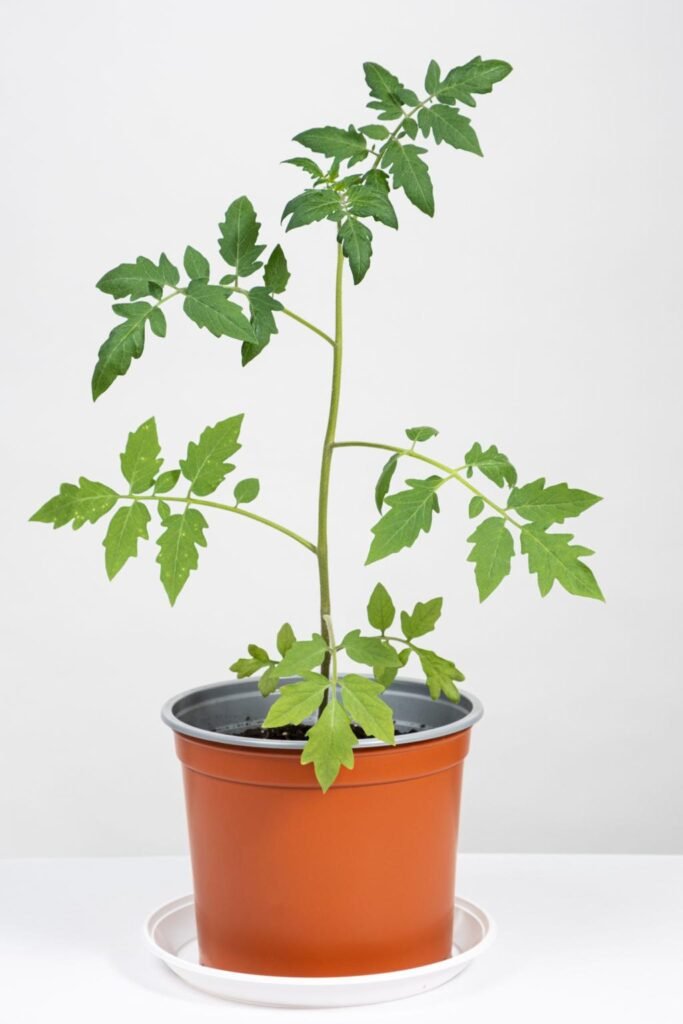
These tomatoes grow best from seeds. Germination takes about 7–14 days.
Step 2: Transplant Outdoors
Once seedlings are 4–6 inches tall, move them to your garden or containers.
Step 3: Give Them Space
They spread aggressively. Leave at least 2–3 feet between plants.
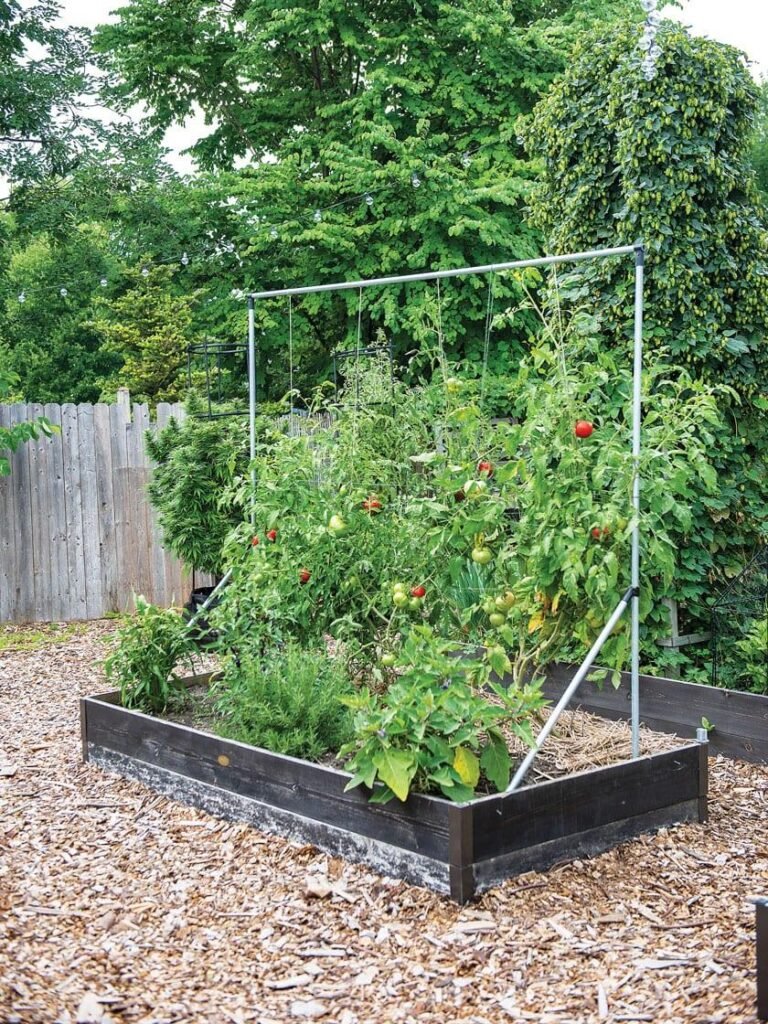
Step 4: Support (Optional but Helpful)
They’ll grow wild, but a simple trellis keeps things manageable.
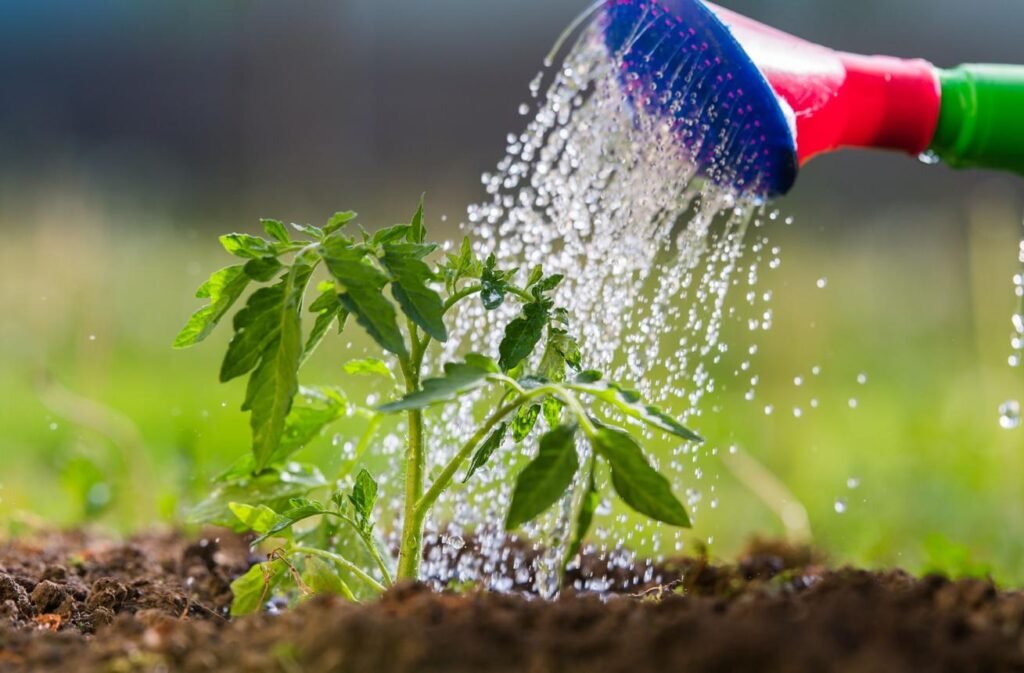
Step 5: Water Lightly
- Water deeply but not daily
- They tolerate dry spells better than most tomatoes
🍅 Yield & Growth Behavior (What to Expect)
This is where Everglades tomato really shines.
- Each plant can produce hundreds—even thousands—of small fruits
- Harvest begins around 60–75 days
- Continuous production until frost (or longer in warm zones)
Don’t expect large tomatoes. These are pea-sized to marble-sized, but packed with flavor.
🍽️ Taste & Use in the Kitchen
The flavor is:
- Slightly tart
- Bright and refreshing
- Less sugary than typical cherry tomatoes
Perfect for:
- Fresh salads
- Snacking straight from the vine
- Garnishing dishes
⚠️ Common Problems (And Why They’re Rare)
Compared to other tomatoes, issues are minimal.
- Pests: Rarely a major issue
- Diseases: Strong natural resistance
- Humidity Problems: Much lower risk
Still, if your garden struggles with fungal issues, it’s worth understanding prevention—our article on Powdery Mildew in Okra covers techniques that apply across many plants.
🔄 Everglades Tomato vs Regular Cherry Tomato
| Feature | Everglades | Regular Cherry |
|---|---|---|
| Heat Tolerance | Excellent | Moderate |
| Maintenance | Low | Medium |
| Fruit Size | Very small | Medium |
| Yield | Very high | High |
| Disease Resistance | Strong | Average |
👉 If you’re gardening in the southern U.S., this variety is often the smarter choice.
🏡 Is It Right for Your Backyard Garden?
If your goal is:
- Low effort gardening
- High yield
- Survival in heat
Then yes—this is one of the easiest wins you’ll find.
If you’re building a productive home setup, don’t miss our main hub: Backyard Garden—it’s where everything connects, from soil prep to seasonal planting strategies.
🔥 Final Thoughts
Most tomato plants demand attention. The Everglades tomato rewards neglect.
If you’ve struggled with heat, humidity, or inconsistent yields, this plant changes the game. It’s not fancy—but it’s reliable, productive, and surprisingly resilient.
And sometimes, that’s exactly what a backyard gardener needs.